Post List

One day culture tour in Tokyo operated by JICA

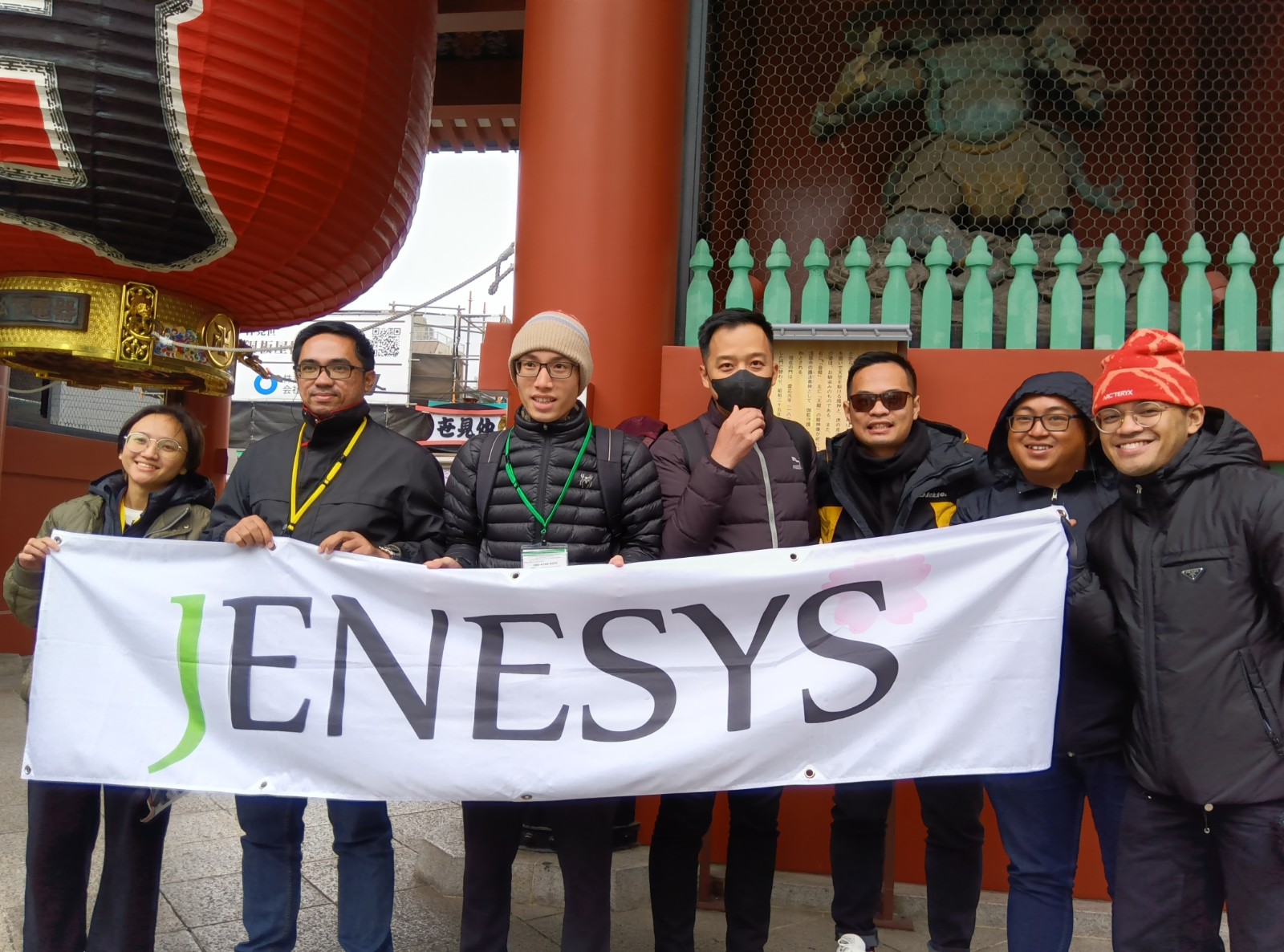
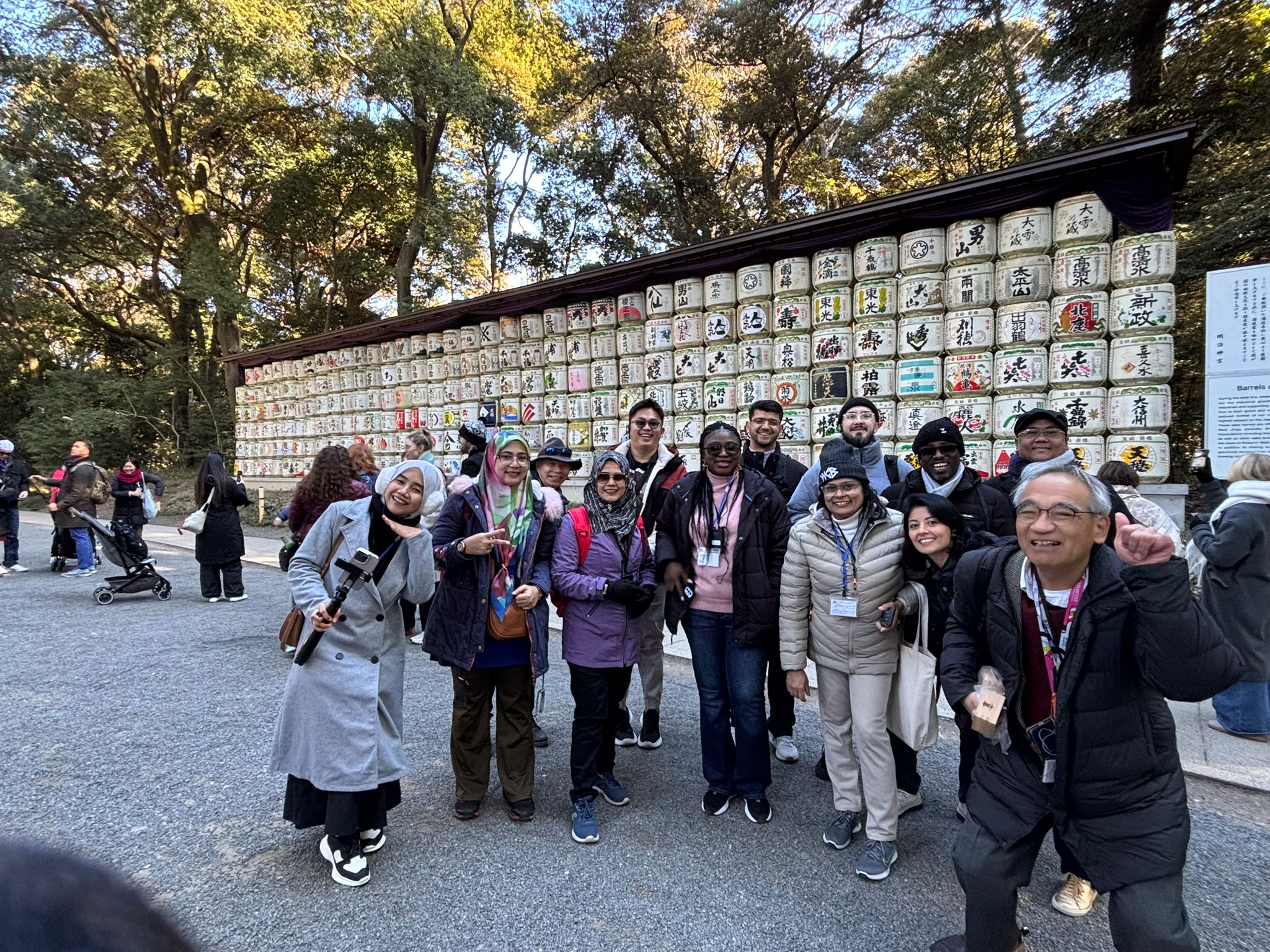
Yesterday, I guided the JICA trainees to Meiji Shrine and Senso-ji Temple as part of their cultural lecture in Tokyo. This training course is designed to learn about digital transformation technology, the advanced technology in agriculture and rural areas, and I was in charge of the cultural training part as part of the training that was staying in Japan for about four weeks. The trainees were 11 people from eight countries in Asia, the Middle East, Europe, and Africa, and I explained to them about the religious matters including our tolerance that underlies Japanese culture and the modernization of Japan, to people with different cultural and social backgrounds.

However, I tried to make it a relaxed atmosphere between the daily lectures without making it too formal. Due to the training budget, it was a little difficult for the 11 trainees, such as traveling by public transportation and having lunch at a tempura chain restaurant that was reasonably priced but be not accept reservations (it took longer time than expected), but I think they were able to experience one side of Tokyo life, including these slightly inconvenient aspects. The participants walked more than 15,000 steps in one day, and as some of them are not used to walking much, they seemed a little tired, but I believe they enjoyed their day in Tokyo.

One day gourmet tour to Chiba on my birthday

Yesterday was my birthday, and I turned 65. Thank you all for the congratulatory messages on Facebook or other media. I would like to express my gratitude once again.Turning 60, Kanreki; according to the Chinese calendar, a combination of zodiac animals and cosmic elements that consists 60 years, and the 60th birthday marks the one cycle of this, and it was a turning point in many ways, but 65 is also a turning point that makes me feel like an elderly person, as I am now fully paid out of my pension and can use senior discounts at various facilities.Yesterday, my wife, son and I went on a one-day trip to Boso in Chiba for the first time in a while. Recently, my son has been busy with school and part-time work, and it has been difficult to coordinate his schedules with my wife’s part-time work, so we have had fewer opportunities to go out together. Also, my son will finally start working as a full-time employee from April, so it looks like we will have even fewer opportunities to go out together, so on the last day of my son’s winter break from school, we enjoyed a short trip together with all member of my family for the first time in a while.

Initially, I had planned to have breakfast on the Boso Peninsula, then take a ferry across Tokyo Bay and do some sightseeing on the Miura Peninsula in Kanagawa, but yesterday the wind was strong and the waves in Tokyo Bay were high, so the ferry was canceled, so we ended up spending some time relaxing in Chiba.

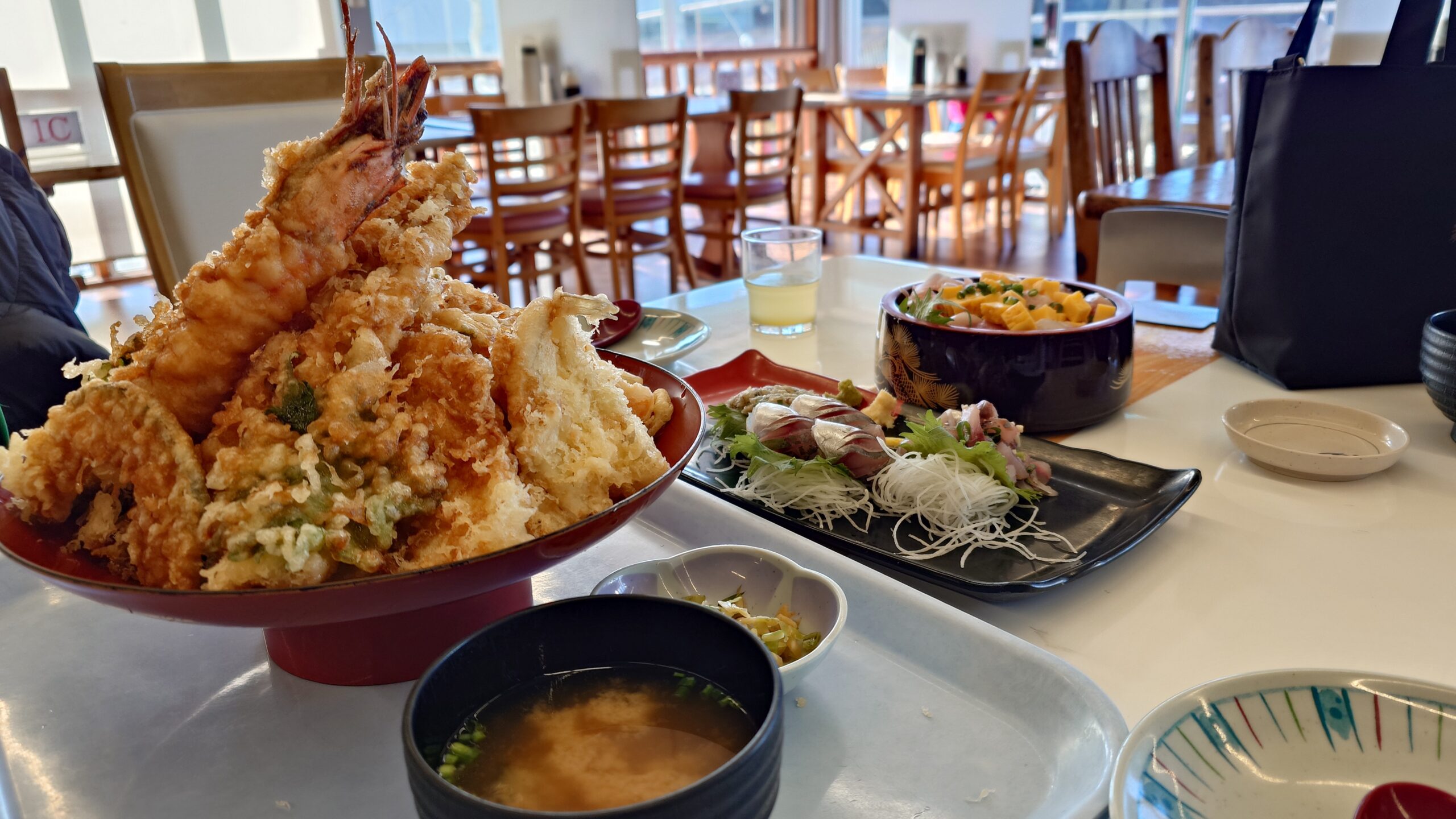
First, we went to a seafood restaurant run by the fishing cooperative and had a super-large bowl of tempura and enjoyed many types of sashimi raw fish, of horse mackerel. It would be difficult to order such a large bowl of tempura unless I shared it with my son, who is a big eater. After that, I took a look at the daffodils, which were in best season, did some shopping at the agricultural cooperative’s farmer’s market, and relaxed at a day spa in Chiba City. My son doesn’t like beer as much as I do, so he offered to drive without drinking any after the spa, so I was happy to be able to enjoy a blissful moment with a cold beer.So, we didn’t do any sightseeing and just took it easy, but I think my 65th birthday started off pretty well. I appreciate I can continue to have good relationship with all of you on this year, too.

With a family from garden and plant lover New Yorker

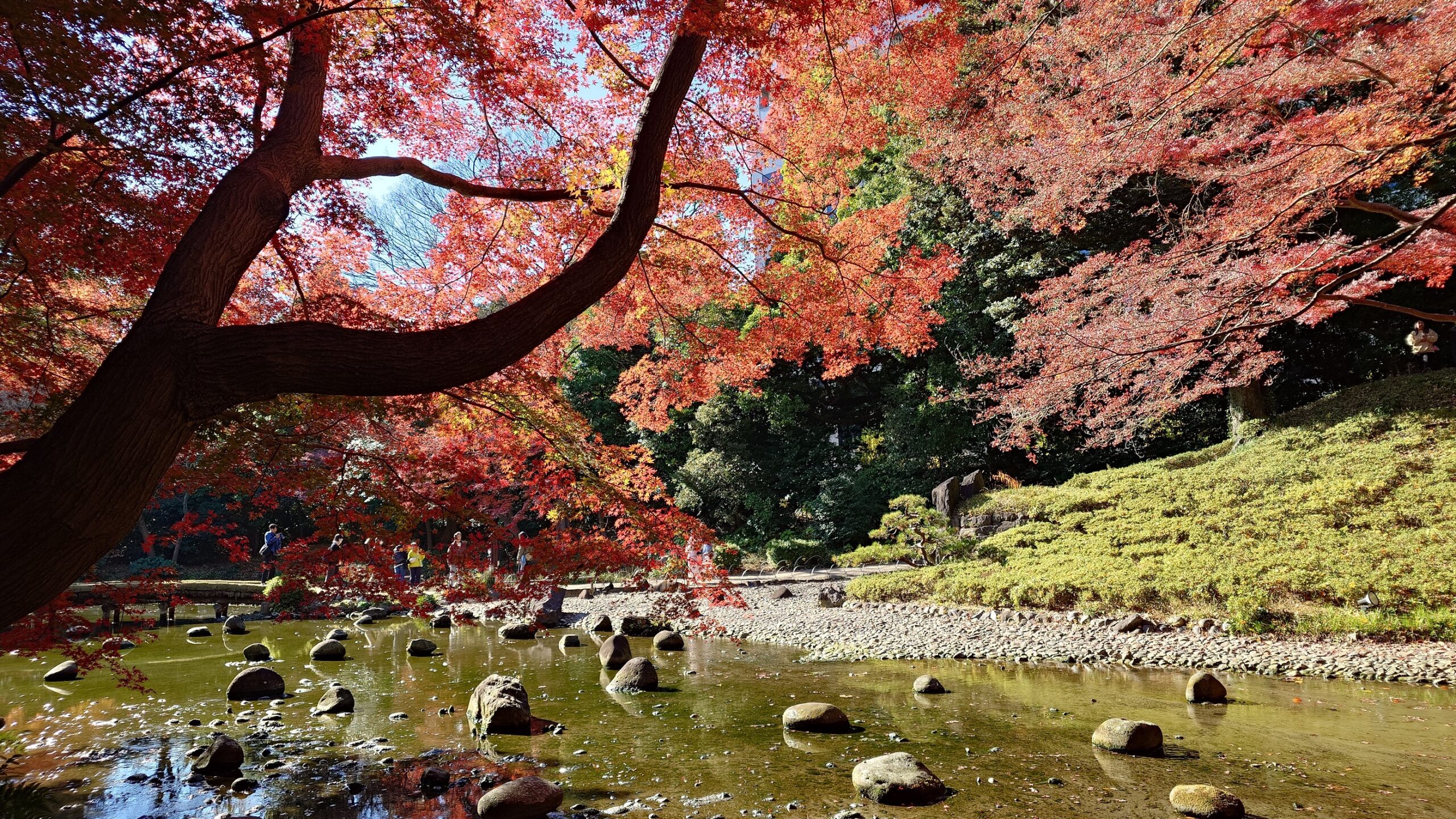
Yesterday, I guided a family of four from New York to the East Gardens of the Imperial Palace and Koishikawa Korakuen. This time, they had applied for a course to tour Japanese gardens after they watching my profile on a registered Canadian travel agency. They are very interested in Japanese gardens and horticulture, and enjoy gardening in their own gardens, planting Japanese maples in them. I had a great time showing such guests around. Unfortunately, the peak of the autumn leaves had passed, but they still enjoyed the garden, with its red and yellow leaves still remaining, and the passing of autumn and the arrival of winter.

Looking down on the garden from a high vantage point, I explained how the evergreen and deciduous trees, both large and small, are skillfully arranged to create an attractive landscape, and explained why evergreen plants such as pine and bamboo are so popular with Japanese people, while explaining about craftman’s skill on straw snow hanging and New Year decorations. I think they enjoyed a unique way to enjoy a garden in winter. All the photos, except for the lunch photo, were taken the day before during the preliminary inspection.

All of my outdoor work for this year, both paid and unpaid, is now finished, and I’m feeling a little like it’s the end of the year (although I still have a lot of desk work left).

Looking back on this year, there were periods when I couldn’t get any work and I got anxious, and then I got infected with COVID-19 and had to quickly ask for a replacement guide, so I experienced the hardships and sorrows of being a self-employed person, but overall I think I was able to manage my time in a relaxed and enjoyable way.

I’m thinking of not scheduling too much outside work like a guide until around mid-January, and instead spending some time relaxing and doing desk work like organizing accounting and finance-related work and improving my website.

It’s a little early, but I hope you all have a happy holiday season and new year.

One of the best tours we had in our many travels to Japan and many other countries. Atsuhiro-san came prepared with a custom tailored information package and gave us a complete and informative brief before we started. He is very knowledgeable about the history of Japanese gardens as well as the details of every place we visited. We enjoyed his company and we learned a lot about Japanese gardens and the larger context in which they are developed. Highly recommend this delightful tour with this great guide.

The moray eel, enchanting taste of the gang fish

My wife and I went to a restaurant in Ito on the Izu Peninsula that specializes in rare moray eel dishes. The moray eel, known as the gangster of the sea, has strong jaws and a unique bone structure, making it difficult to cut and to process it without giving off an unpleasant odor. It is difficult to cook, and this is the only restaurant in Japan that specializes in a full course of various moray eel dishes.

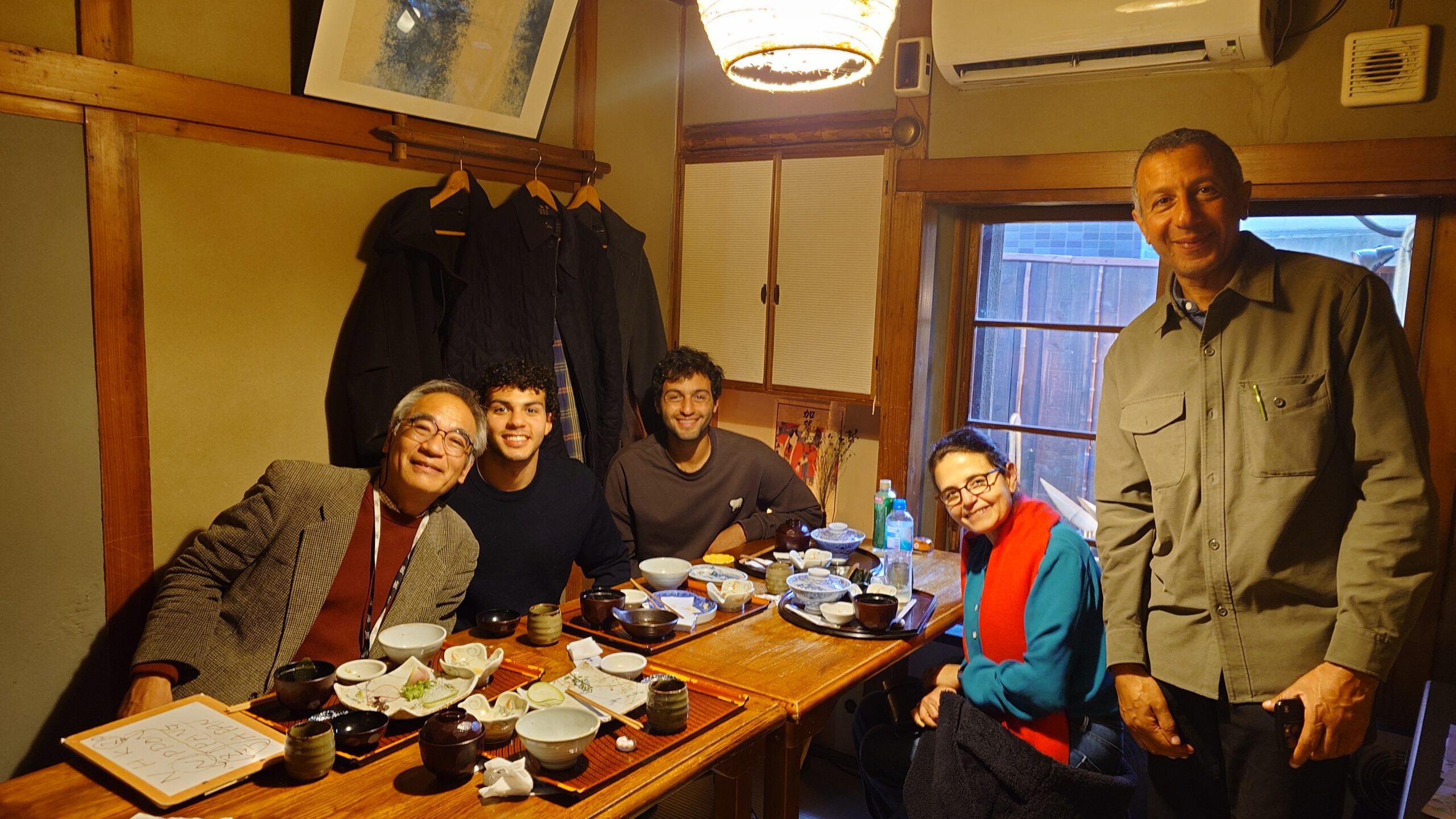
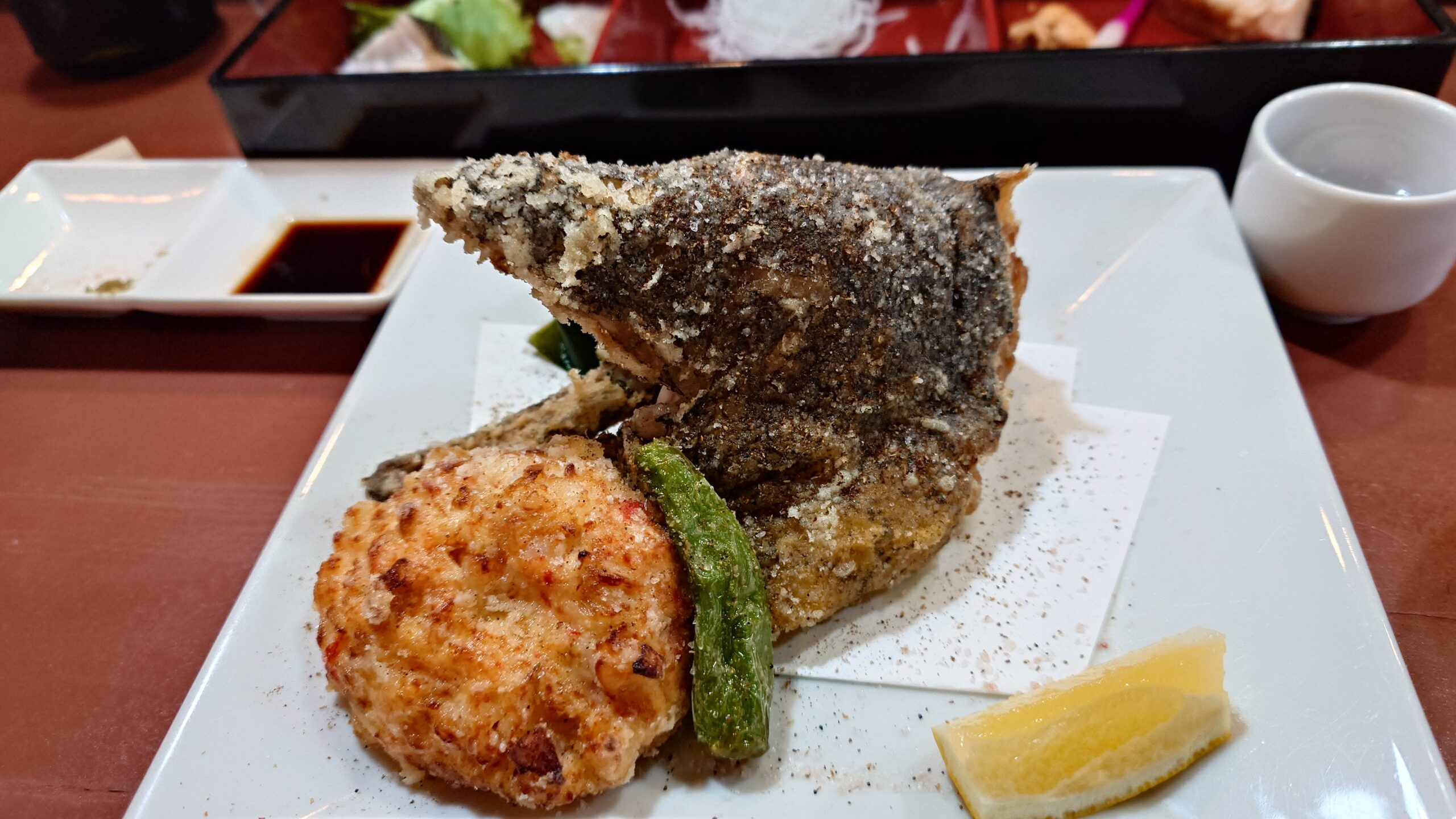
Starting with sashimi, sliced raw fish, and parboiled salad, we had gang-fried moray eels with their whole heads up, rolls in omelet, and kabayaki, grilled meal. The moray eel meat, which has plenty of collagen under the skin and is very elastic, was well-processed, had no unpleasant odor, and went perfectly with sake. I was so engrossed in the deliciousness and the sake that I forgot to take pictures of some of the dishes.

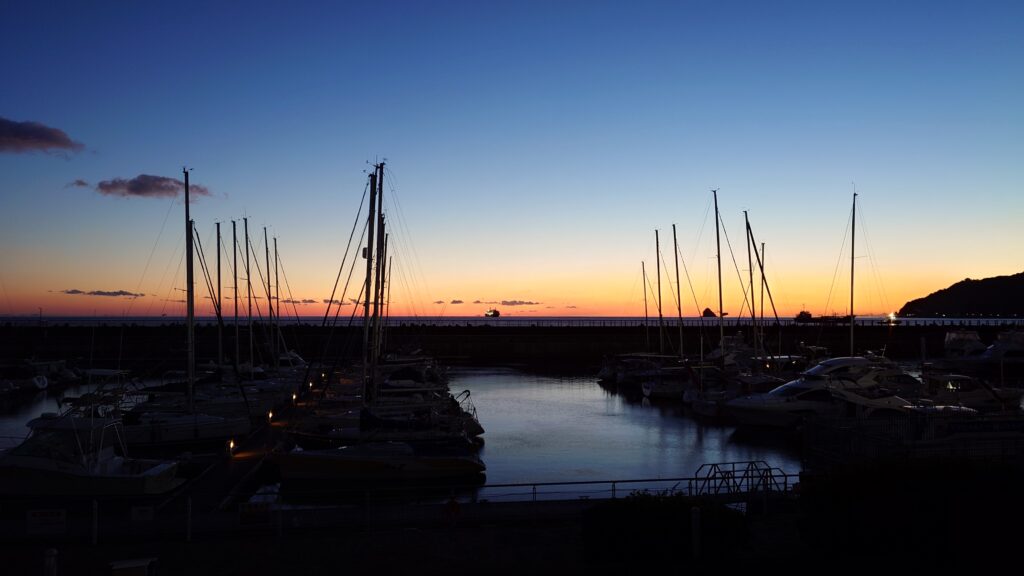
It had been a while since I last visited Ito, so I spent a relaxing time enjoying the hot springs at the roadside station and fishing on the port embankment.

Best season of autumn leaves in Koishikawa Korakuen Garden

On Sunday, I guided a group of young people who are staying in Tokyo for a medium to long term, to Koishikawa Korakuen Garden as member of Tokyo City Guide Club. It was divided about 10 guests into four groups, and I guided two guests from India and Germany. The autumn leaves were in full bloom at that time, so I think the guests enjoyed themselves well.

However, since the pairings were decided at the entrance to the garden, it was the first time that both guides and guest group, so there were some confusions.

Koishikawa Korakuen Garden was built to make people in Edo, who could not easily travel to Kyoto, to enjoy a simulated Kyoto trip, but it was some difference for participants from Germany, which had a similar feudal system, and participants from India, which has a different history, to understand the background. In addition, the English pronunciation of the guests was different, so it was difficult to communicate within the participants.

I have explained this garden many times before, and I had information in advance about the type of people I would be guiding, so I was able to plan the scenario and time allocation of my explanation to a certain extent, but I also had to worry about how much I should improvise to suit the pace and level of understanding of the two guests.

Also, because we were divided into four groups, we had to coordinate the viewing time for the whole group, and I had to skip some places to explain, so as a guide, I was a little worried and left with regrets about how much the group enjoyed. However, we were saved by the fact that the autumn leaves were at their best.

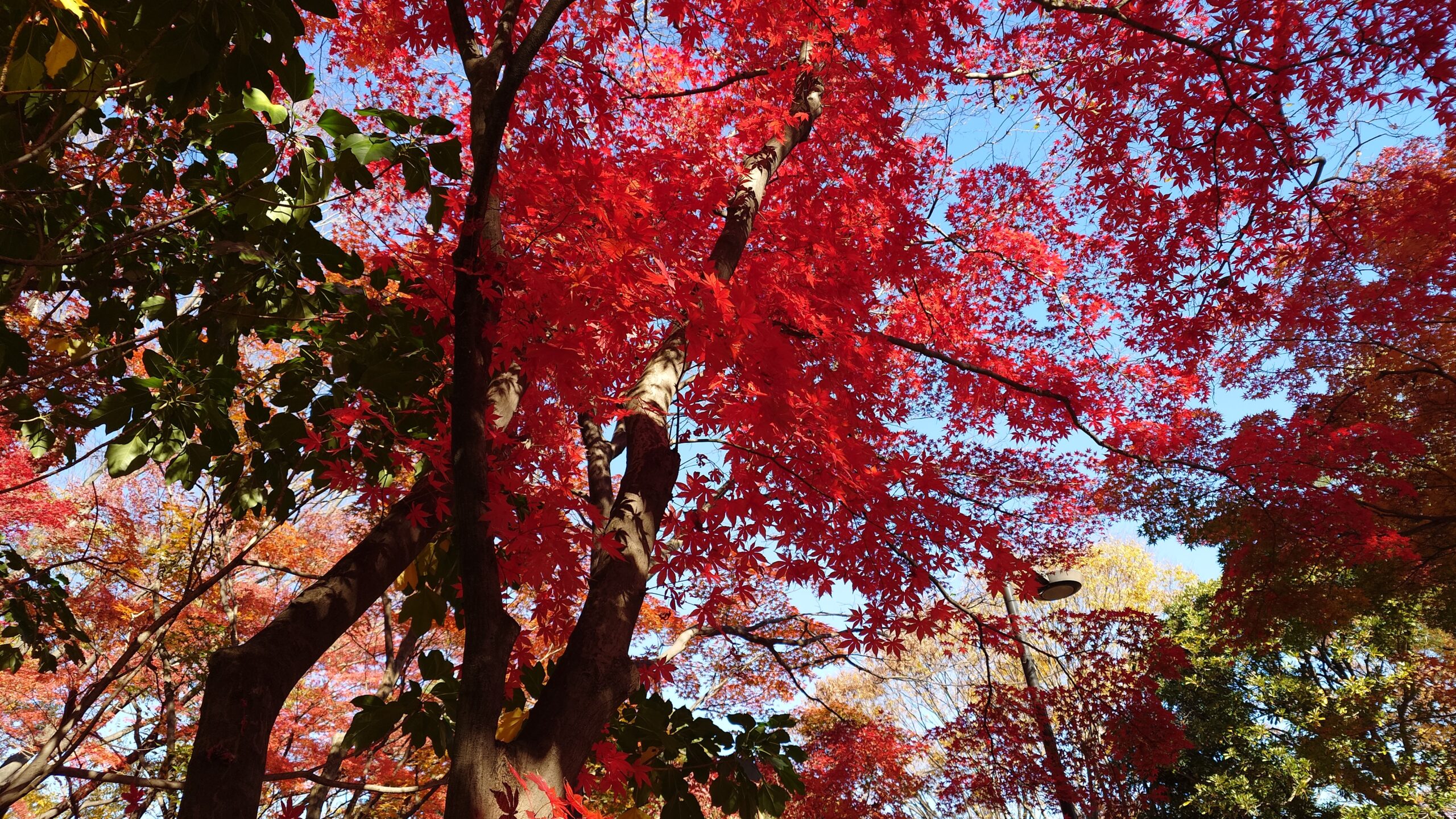
Astonishing autumn leaves at Kitanomaru Park

I organized an autumn foliage observation event for a group of the Tokyo City Guide at Kitanomaru Park as a host. The maples in the forest were at their best on a cloudless day, and the gradations from orange to crimson were beautiful. The old ginkgo tree, said to be about 200 years old, was a beautiful yellow suitable for a landmark. Members of the event learned how to distinguish between species in maple trees, which can be difficult to distinguish between, and enjoyed not only the autumn leaves but also the red berries of evergreen trees.

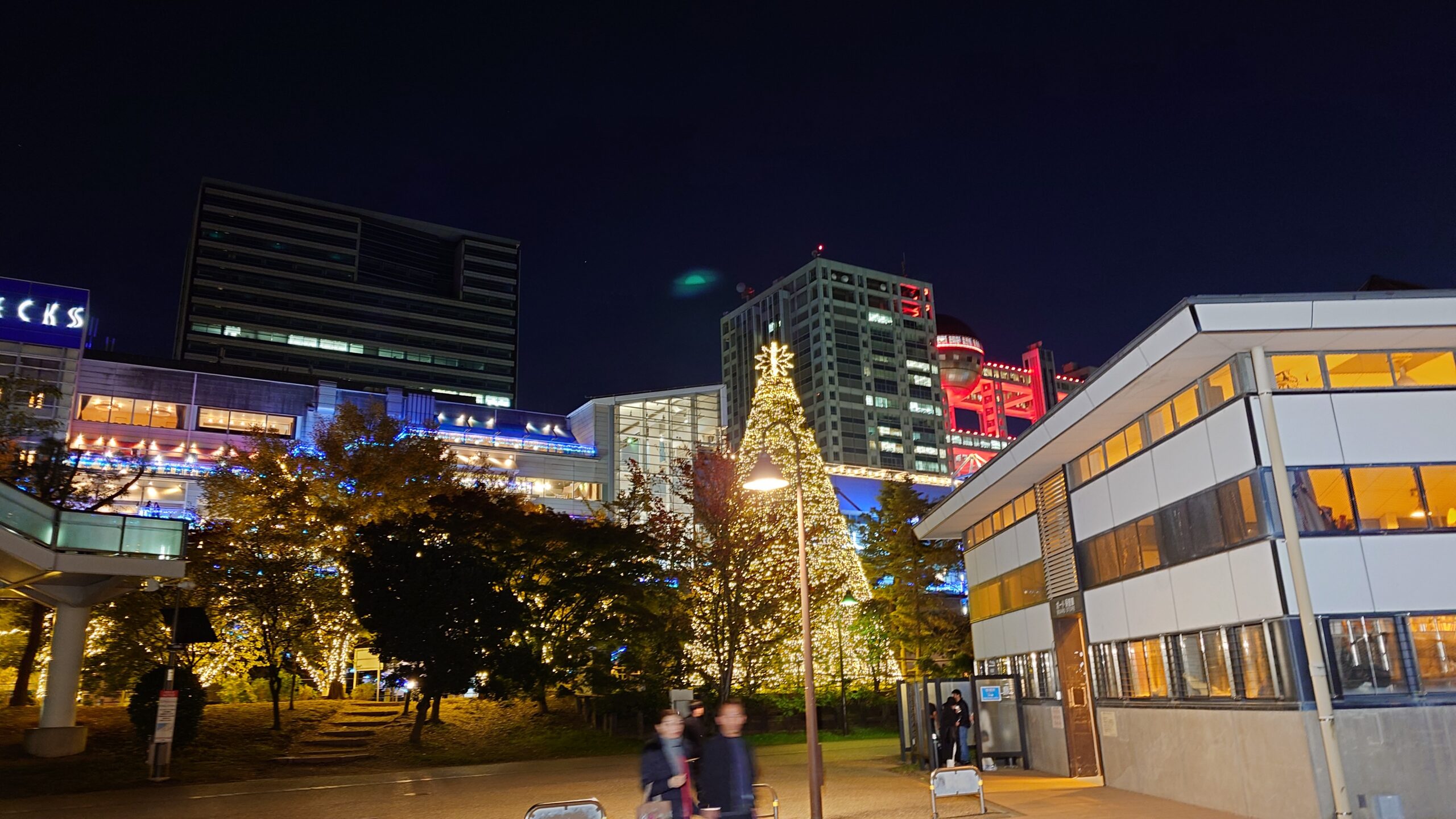
A quiet and beautiful day in Odaiba in late autumn

The last day of November, the 30th, was a calm day in Tokyo, blessed with good weather. It had been a while since I last volunteered in the Odaiba area, and I was able to spend the time leisurely giving instructions to people looking for their destinations at Yurikamome stations or other places, and providing consultation to their next destination or the airport. As the autumn leaves in Odaiba have turned a lot, and looking at the Christmas lights, I began to feel like the end of the year was finally upon us.

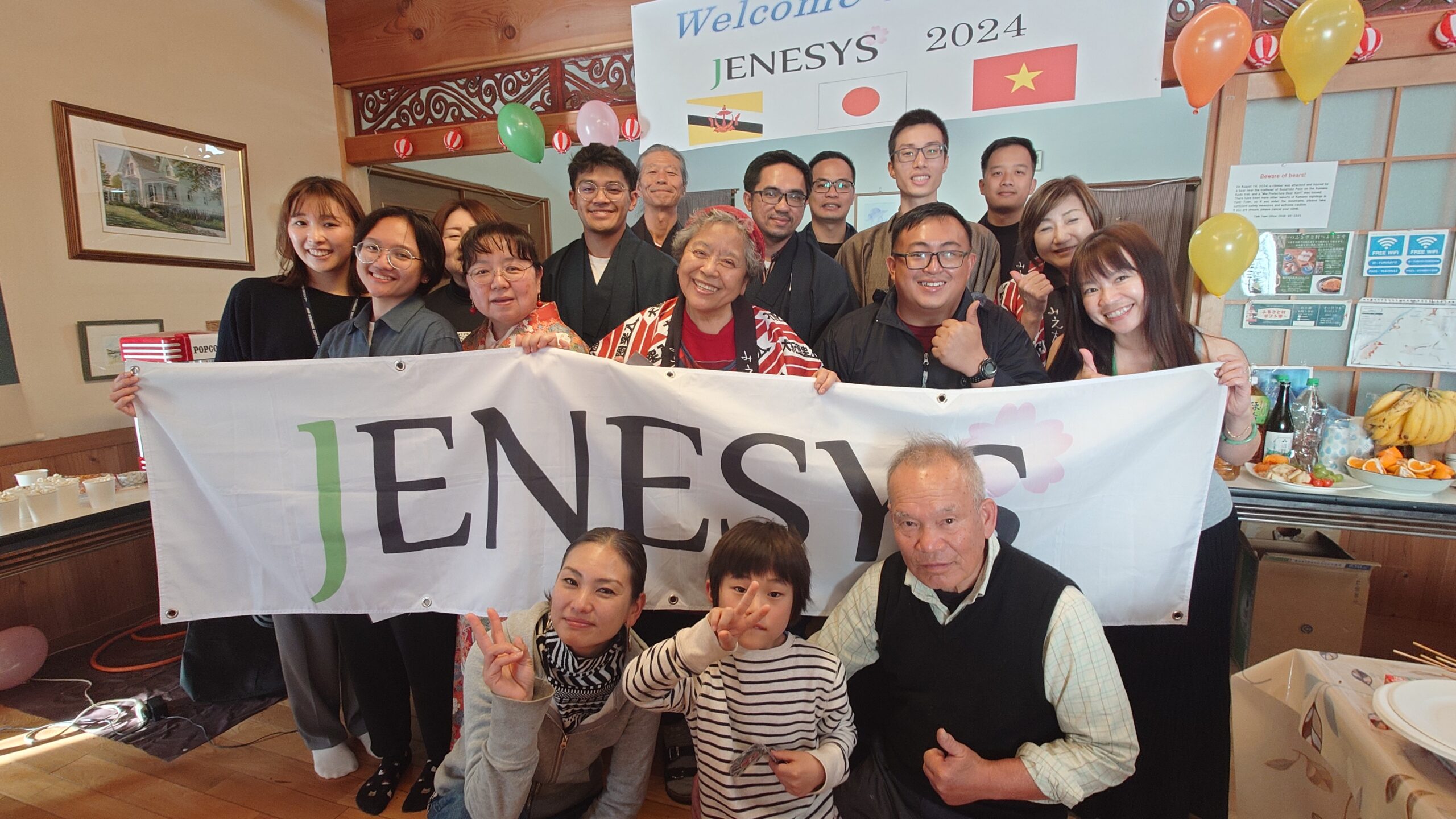
Wonderful days with young trainees from Brunei

The delegation from Brunei, who we stayed with for about a week, returned home. On the last day of their three-day homestay in Mie Prefecture, host families prepared a lot of halal Japanese food for the Bruneians, and held a grand farewell party for us, including dressing us in kimonos, performing a typical Bruneian dance, and dancing the Bon Odori dance with everyone.

We felt lucky just to be able to see Mt. Fuji from the bullet train returning to Tokyo, and then, at Tokyo Station, Doctor Yellow train arrived at the platform next to us. We were really blessed with good weather on this trip, and it was a truly lucky week. The group finished their presentation and left in high spirits for their home country. Although it was a short visit, I hope that this visit will help promote mutual understanding between Brunei and Japan, and that Japan’s excellent culture and agricultural technology will be conveyed to Brunei.

Welcome to beautiful Japan, young Brunei agricultural engineers!

Since last Tuesday, I have been participating as a coordinator in a project operated by the Japan International Cooperation Center (JICE) under commissioned by the Ministry of Foreign Affairs which invites youth people from ASEAN countries to Japan to learn about the good things about Japan. The course I am joining in is attended by young farmers and agricultural officer from Brunei, and they have been attending lectures at the Ministry of Agriculture, Forestry and Fisheries and visiting a new initiative called aquaponics, which combines hydroponic and aquaculture.

Now we are in Mie Prefecture since last weekend, where we have been enjoying autumn in Japan by visiting irrigation facilities that have been in operation for over 200 years and farmer’s market by agricultural cooperative, and enjoying mandarin orange picking. And since the day before yesterday, they have been staying at a farm and experiencing various life of farmer. This course is a joint course with young agricultural workers from Vietnam, and I am translating English while another coordinator translating to Vietnamese at the same time, which can be a little difficult, but I enjoy it with the energy of the young people. Although it is a short course of about one week, I hope that they will understand not only the good things about Japan, but also the difficulties of agriculture in Japan, and that this will be useful for agricultural development in their home country of Brunei.

Amazing autumn views from Mt. Takao and Japanese gardens in Tokyo with wonderful guests from the U.S.A and Canada

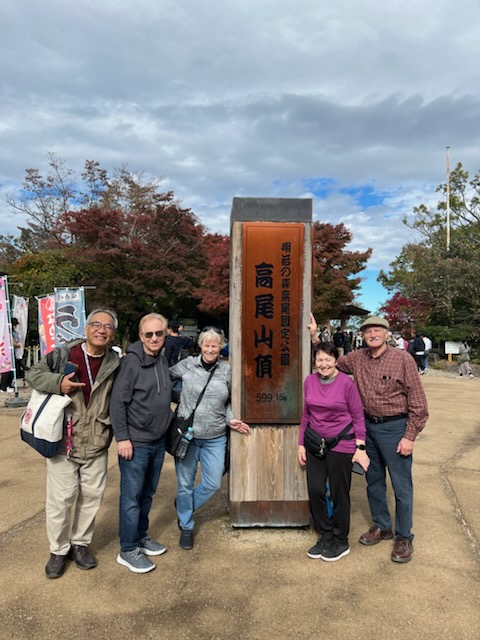
On Sunday (November 10th) and Monday (November 11th), I guided two friendly senior couples from Phoenix (Arizona) in the United States and Toronto, Canada, to gardens (Koishikawa Korakuen garden and Hama Rikyu Gardens) and other places in Tokyo and Mt. Takao. The customers had made a reservation about half year ago, and they wanted to see the Japanese gardens and autumn leaves, so I made the schedule above, taking into consideration the opening days of the gardens and the possibility of increasing the chances of enjoying the beautiful autumn leaves at a leisurely pace. However, as the scheduled date approached, I was worried about whether I could provide a satisfactory guide, as the autumn leaves were much later than usual and the weather forecast predicted a high probability of rain on both days.

In the meantime, I decided to thoroughly check out Mt. Takao last Wednesday and the gardens in Tokyo on Saturday to check the condition of the destinations. In addition, I found out just before the tour that all four of the guests were quite seniors, considering the walking distances we have to walk over the two-day trip and checked elevators and escalator on routes as much as possible (as there were no elevators nor escalators in the gardens or on the mountain paths, I thoroughly checked the stations and other places where escalators could be used).

I also sent photos of the summit of Mt. Takao during the pre-trip inspection in advance to provide information that while we can’t expect to see full colored maples, but can enjoy some colored maples on Mt. Takao, so as not to raise the guests’ expectations too much. Also, in the gardens in Tokyo, I decided to focus on the ingenuity of the gardens and the autumn leaves of zelkova and wax trees and acorns such as oaks instead of maples.

Fortunately, it was raining that night, but the weather changed from cloudy to sunny during the day, so we were able to enjoy the tour. The peak season for autumn leaves and cherry blossoms is limited, and the impression changes depending on the weather, so I realized how difficult it is to prepare in a limited schedule to ensure that our guests are as satisfied as possible.

Still, by making as much effort as possible, the sun was on our side, and we were able to see beautiful smiles at the end.

Theme: Overlay by Kaira Extra Text
Cape Town, South Africa